No-Dig Gardening for Beginners: A Step-by-Step UK Guide
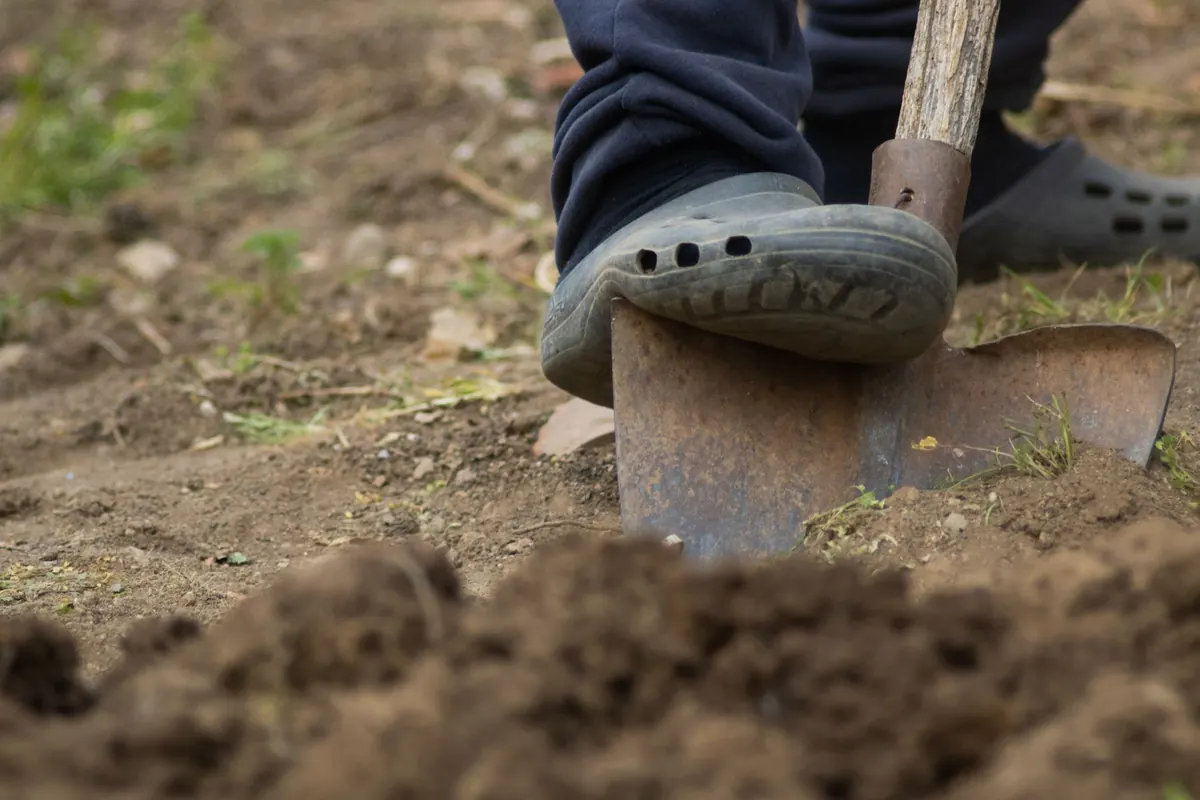
No-dig growing is exactly what it sounds like. You stop turning the soil, and instead feed it from above with cardboard, compost and mulch. Worms, fungi and soil bacteria do the digging for you, and you keep your back.
For beginners in the UK, it is a forgiving way to start. You do not need strength, a rotavator or years of experience. You need cardboard, compost, a fork for the occasional stubborn weed, and the discipline to leave the soil alone.
Why no-dig suits British gardens
Every time you turn a spade, you bring buried weed seeds up to the light, where they germinate. Digging also breaks the networks of worm tunnels and fungal threads that move air and water through the soil. A freshly dug bed can look wonderful in October and turn into a crusty, waterlogged pan by February.
Our climate makes this worse. Mild, wet winters and warm, damp summers are ideal for weeds and slugs. Keeping the surface covered with mulch and cardboard knocks back the first and gives you a fighting chance against the second.
No-dig works on most soils. On heavy clay, organic matter laid on top gradually works its way down and improves structure without you ever lifting a fork. On light sandy soil, the same layers hold moisture and nutrients where roots can reach them.
Choosing and marking out your first bed
Pick a spot that gets sun for at least six hours on a summer day, away from the shade of a fence, hedge or large shrub. Mark the edges with string and pegs before you buy anything.
- Full sun for most of the day, if you can get it
- Not in a hollow where water sits after rain — or plan a raised bed 20–30cm deep instead
- Within easy reach of a tap or water butt
- Paths of at least 30cm, or 45cm if you will push a wheelbarrow along them
- Room nearby for a compost bin, so you are not carrying material across the garden
A width of 1.2m suits most people, because you can reach the middle from either side without stepping on the bed. Length is up to you. Start with something small: 1.2m by 2.4m is a proper bed and far less work than the whole vegetable patch.
Laying the cardboard
Plain brown cardboard is the workhorse here. It blocks light, which stops most weed seeds germinating, and it rots down within a season or so.
- Cut back anything tall with shears or a strimmer. Leave the cuttings on the ground — they will rot under the mulch. Remove anything already in seed.
- Strip off tape, staples, plastic windows and glossy printed packaging. Plain corrugated card only.
- Lay the sheets so they overlap by at least 15cm. Gaps are exactly where couch grass pushes through.
- Soak each layer as you go, either with a hose or by treading it down after a good watering. Wet card stays put in wind and makes contact with the soil beneath.
- Spread your compost straight on top. You can plant the same day.
If you have bindweed, ground elder or horsetail
These three test any no-dig bed. Bindweed and ground elder will travel underneath and pop up at the edges; horsetail, also called marestail, pushes through almost anything. Use two or three layers of card, extend it well beyond the bed edges, and walk the boundary every week or two through the first season, pulling anything that appears. It is slow, but it is far less effort than chasing roots out of wet clay in November.
How much compost, and which kind
For a brand-new bed over weeds, spread 10–15cm. On an established bed, 2–5cm topped up each autumn is plenty. Roots need depth in year one, so be generous rather than tidy.
Peat-free multipurpose compost works for small beds but gets expensive in bulk. Cheaper options include council green waste compost (look for the PAS 100 standard), well-rotted horse or cattle manure, leafmould, and spent mushroom compost. A mix of two or three is often better than any single material.
Ask your manure supplier two questions: is it well rotted, and was the pasture treated with herbicide? Residues can affect tomatoes, beans and potatoes for a season or more. If you are unsure, sow a few broad beans in a sample pot of the manure and see how they grow before spreading it across the bed. Never use fresh manure — it can scorch plants and carries weed seeds.
Keep a plank of wood beside the bed and stand on that rather than the soil. Compaction is the one thing a no-dig bed cannot shrug off.
What to plant in the first year
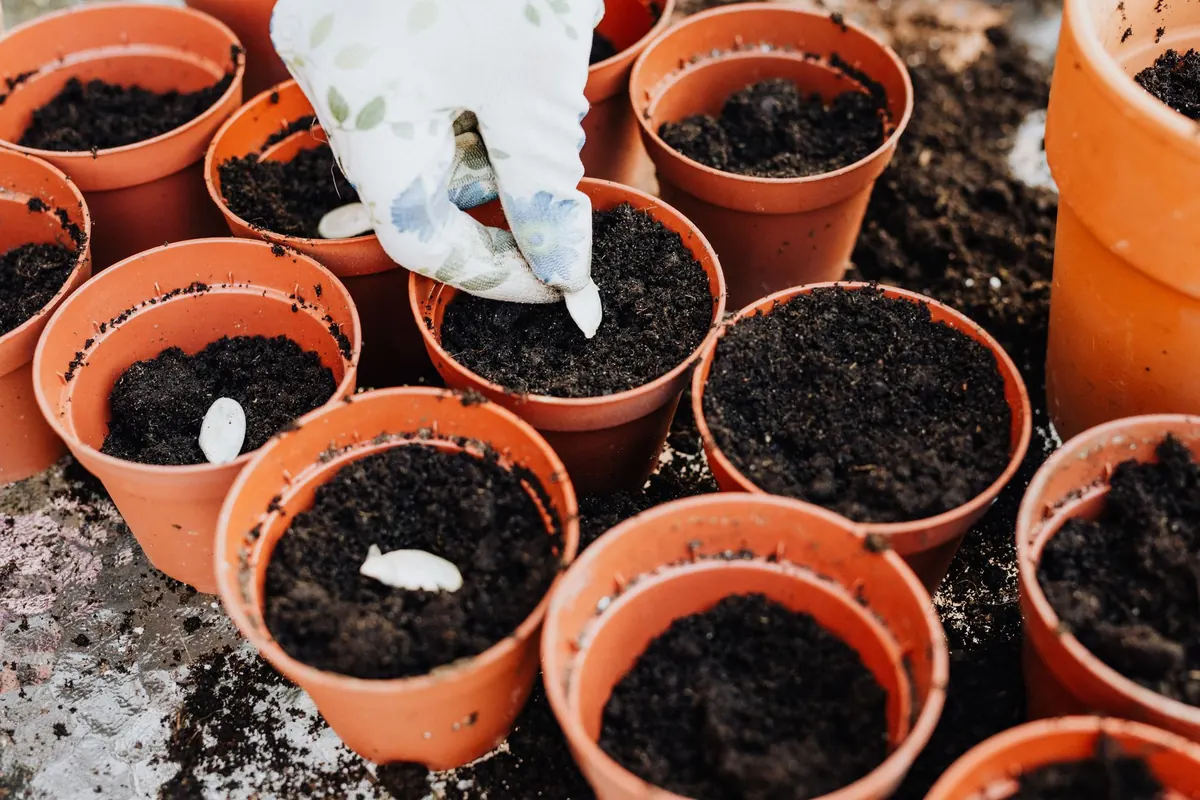
Push the compost aside, cut a small cross in the cardboard if the layer is thick, and tuck the roots into the soil below. Firm gently and water well for the first fortnight. Shallow-rooted crops will happily grow straight into the compost.
Good first-year choices include courgettes and squashes, potatoes, runner and French beans, brassicas, leeks, chard, lettuce and other salad leaves, and strawberries. Potatoes are especially useful on new ground because the foliage shades the surface and the tubers break up the layers underneath.
Carrots and parsnips prefer a deeper, settled bed, so give them a year or grow them in a container of sieved compost instead.
Keeping the bed going through the year
Top up with compost each autumn, and again lightly in spring if the surface has sunk. Hoe annual weeds on a dry morning when they are tiny; fork out perennials properly, following the root rather than snapping the top off.
Mulch gives slugs somewhere to hide, so expect them. Water in parasitic nematodes in spring when the soil has warmed, go out with a torch after dark and pick them off, and leave the bed edges tidy so you are not creating extra shelter. A pond or a log pile nearby brings in frogs and ground beetles that do the job for you.
Feeding is mostly handled by the compost. If you are growing hungry crops such as courgettes or brassicas, a comfrey or general-purpose organic liquid feed every couple of weeks in mid-season keeps them moving.
Your first weekend: a simple plan
Pick a patch no bigger than 1.2m by 2.4m. Measure it, then work out your compost: that bed needs roughly a third of a cubic metre for a 10cm layer, so a bulk bag or a few large sacks will do.
On Saturday, clear the worst of the top growth, lay and soak your overlapping cardboard, and barrow the compost on top. On Sunday, plant something — courgettes, beans, salad, whatever you will actually eat. Water it in, stand back, and resist the urge to dig.
Add one bed this year, another next spring. Leave the spade in the shed and let the soil get on with it.
Photo: Riccardo Falconi / Pexels
Raised Bed vs Container Gardening: Which Is Better for UK Patios?
Raised beds and containers both work on a UK patio, but they differ in cost, watering, yield and space....
Plants for a Pollinator-Friendly Balcony in Shade: A Comparison
A practical comparison of shade-tolerant pollinator plants for UK balconies, covering pot sizes, watering...
About Us