Plants for a Pollinator-Friendly Balcony in Shade: A Comparison
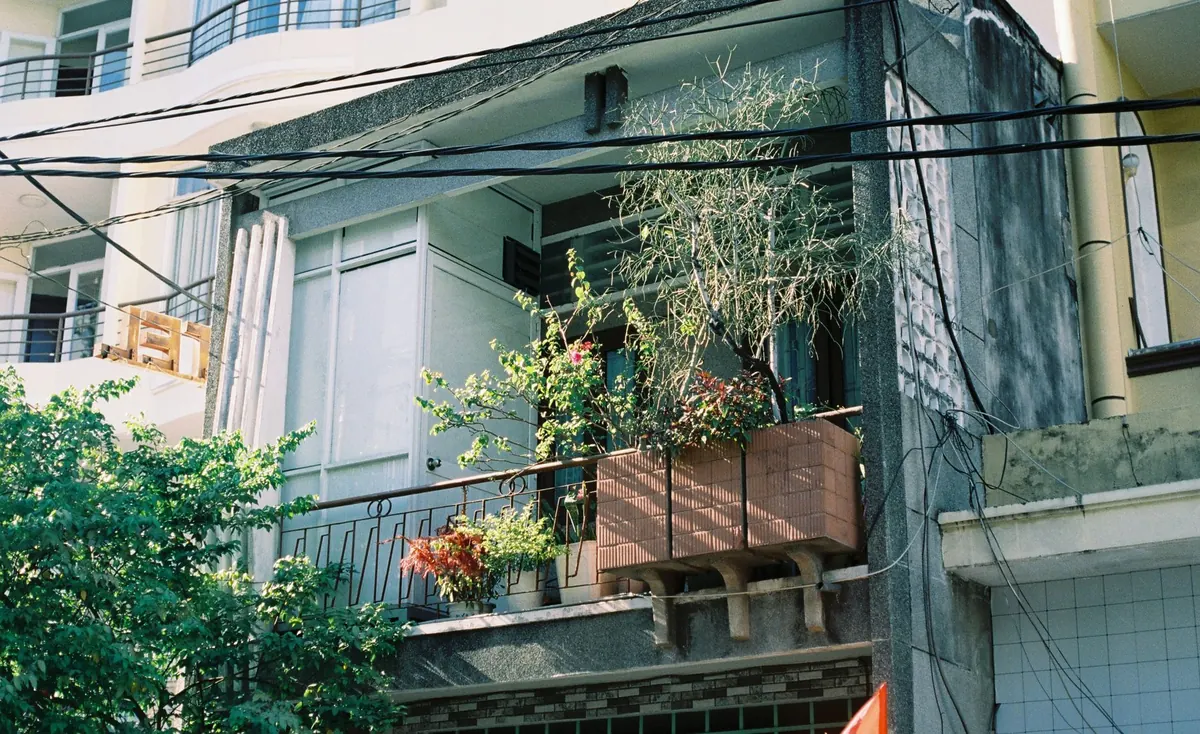
A north-facing balcony gets an unfair reputation. You will not be growing lavender or a buddleia hedge, but shade is not the barrier people assume. Several of the best plants for bees and hoverflies actually prefer it, and a container that never bakes dry in July suits them well. The trick is to choose by three things at once: how much root room a plant needs, how damp it likes to stay, and when it flowers. Get those lined up and a shaded balcony can feed pollinators from February to October.
Read your light before you buy
Shaded balconies vary more than people expect. A north-facing wall in constant shadow is not the same as a corner that catches two hours of morning sun. Watch your pots for a day and note where light actually lands; on most balconies the brightest strip runs along the outer edge, and that is where flowering plants earn their keep.
- Deep shade: no direct sun, often under an overhang. Flowering is limited, so put nectar plants at the outer edge and use foliage to fill the dark middle.
- Dappled or part shade: roughly two to four hours of sun, usually early or late. Everything below will cope.
- Bright shade: no direct sun but plenty of light bouncing off brick or a pale wall. Most shade perennials will flower well.
Light also shifts through the year. A balcony in the shadow of a building in June can be far brighter in March, before the leaves are out — exactly when hellebores and spring bulbs are working.
Six shade plants worth the space
Hellebores — December to March
The best winter nectar on this list. Christmas roses start in December; hybrid hellebores run from late winter into April. Give them a 10–12 litre pot with loam-based compost kept moist but never sodden. They dislike root disturbance, so plant once and leave them alone. Water in mild spells if the compost has dried, and cut back tired foliage in January so the flowers show.
Pulmonaria (lungwort) — March to May
A 5–7 litre pot is plenty. This is the one plant here that genuinely sulks if it dries out, so use a moisture-retentive compost and check it weekly in spring. Early bumblebees and hairy-footed flower bees work the flowers hard, and the spotted foliage keeps the pot looking decent afterwards.
Brunnera macrophylla — April to May
Forget-me-not blue flowers on a plant that asks for little beyond shade and damp roots. Pot size 5–7 litres. Small solitary bees and hoverflies visit; the silvered leaves of a variety such as Jack Frost carry the display for the rest of the season.
Aquilegia — May to June
Short-lived, usually three or four years, but it self-seeds freely in nearby pots, so you rarely lose it. Five litres is enough. Bumblebees push their way in, and the airy foliage fills gaps without smothering neighbours.
Astrantia major — June to September
The longest flowering season of the group, which makes it the backbone of a shaded balcony. Plant in 7–10 litres, mulch with garden compost in spring, and do not let the pot dry out completely. Small bees, hoverflies and beetles all use the pincushion flowers.
Hardy geranium — May to August
Geranium macrorrhizum and Geranium phaeum both tolerate drier shade than the rest, which makes them useful for the corner nearest a wall. Pot size 7–10 litres. Cut the whole plant back after the first flush and it will flower again in late summer, though the second showing is lighter. This chop also keeps the clump tidy and encourages fresh foliage. If you want seed heads for birds, leave a few stems standing into autumn.
Watering and feeding in shade
Shade slows evaporation, so a shaded container holds moisture far longer than a sunny one. That is good news in July, but it means the usual rule of watering on a schedule will drown your plants. Push a finger two inches into the compost before watering; if it feels cool and damp, wait. On a north-facing balcony you may water deeply once or twice a week in summer, and barely at all in winter. Overwatering is the commonest way to kill hellebores and pulmonaria.
Feeding follows the same logic. Slow growth in shade means lower demand, so a handful of slow-release fertiliser in spring and a liquid seaweed feed every three weeks from April to July is plenty. Too much nitrogen pushes soft leafy growth that flowers poorly and attracts aphids.
If you remember one thing: in shade, the danger is not drought, it is a permanently wet root ball. When in doubt, wait a day.
A planting plan for a north-facing balcony
Arrange pots in layers so the brightest spot does the hardest work. Here is a simple scheme that feeds pollinators from late winter to early autumn.
- Outer edge, full light: hellebores in a 12-litre pot, underplanted with snowdrops and crocus for February. Behind them, Astrantia for summer.
- Middle row: pulmonaria and brunnera in 7-litre pots, where they get dappled light and stay damp.
- Inner wall, driest corner: hardy geraniums, which tolerate the rain shadow under an overhang.
- Gaps and trailing edges: aquilegia self-seeds into any bare compost, and its airy flowers fill space without blocking light.
- Vertical space: a wall-mounted pot of trailing ivy or a small climber like Lonicera periclymenum ‘Serotina’ if you have a sheltered spot — its evening scent draws moths.
This plan uses about ten pots. If you have room for only three, choose hellebore, astrantia and hardy geranium: they cover the widest range of months and are the most forgiving.
What not to grow in shade
It is just as useful to know what will fail. Most sun-loving herbs, lavender, rosemary, thyme, and any silver-leaved plant from the Mediterranean will grow leggy and flower poorly in a north-facing spot. They also hate the damp roots that shade plants enjoy. Avoid buddleia entirely on a balcony — it is too vigorous, and its roots will split a pot within two years. Sunflowers, cosmos and echinacea are similarly wasted; they will lean, etiolate and attract little.
If you want a shrub, choose Hydrangea paniculata ‘Limelight’ only if you have bright shade and a very large pot. Otherwise, stick to perennials.
Extending the season with bulbs and winter interest
Shaded balconies are often at their best in early spring, before trees leaf out. Use that. Plant snowdrops, winter aconites and crocus in the same pots as your hellebores and pulmonaria. They will flower and die back before the perennials need the space. A pot of Iris reticulata on the outer edge gives February colour and early nectar for any brave queen bumblebee.
For late autumn, add a small pot of Cyclamen hederifolium, which flowers in September and October and is visited by late hoverflies. Its leaves then persist through winter, giving structure when everything else is dormant.
Photo: Thanh Lâm / Pexels
Raised Bed vs Container Gardening: Which Is Better for UK Patios?
Raised beds and containers both work on a UK patio, but they differ in cost, watering, yield and space....

How to Choose Local UK Honey at a Farmers' Market: An Explainer
How to tell genuine local UK honey from repackaged blends: what a label should say, which questions to ask...
About Us