Common Mistakes When Planting a Bee-Friendly Garden (and How to Fix Them)
Planting for bees sounds straightforward. Buy a lavender, let the lawn go a bit, put up a bee hotel, wait for the buzz.
In practice, plenty of well-meaning gardens end up full of colour and almost empty of pollinators. The problems are rarely dramatic. More often it is a double-flowered bedding plant that offers nothing to drink, a border that goes quiet in late summer, or a spray used out of habit. Most of these mistakes take an afternoon to put right, and bees tend to find new planting within days. The good news is that bees are forgiving. Give them open flowers, a steady supply from spring to autumn, and a few untidy corners, and they will reward you.
Double flowers look generous but feed almost nothing
A fully double dahlia, begonia or petunia has been bred so that the stamens and pistils become extra petals. That is exactly where the pollen and nectar should be. You end up with a flower that is lovely to look at and useless to a bee, and the dense ruff of petals often blocks the route to whatever is left in the centre.
It is not just bedding plants. Many popular garden favourites have double forms: peonies, roses, camellias, and even some fruit trees. Always choose the single or species form if you want bees to benefit. For example, a single peony like 'Krinkled White' will attract bees, while a fully double 'Sarah Bernhardt' will not. The same goes for roses: wild roses and single-flowered shrub roses are excellent, while tightly petalled hybrid teas offer little. Some doubles still produce a little nectar, but it is often inaccessible.
You do not have to give up colour. Single and semi-double forms do the same job visually and are just as easy to grow: single dahlias, open cosmos, Echinacea, hardy geraniums, single roses, salvias and open-faced marigolds all feed insects. A quick test at the garden centre is to look into the middle of the flower. If you can see stamens and a clear path to them, it is probably worth planting.
A label saying "bee friendly" is not a guarantee. Judge the flower, not the sign.
The lean weeks: planting for one season and leaving bloom gaps
Most UK gardens have two hungry stretches. The first is the June gap, when spring blossom and bulbs have finished but the summer perennials have not yet got going. The second, and the more damaging, runs from late July into autumn, just as bumblebee colonies are at their largest and new queens need to build up reserves for winter.
The fix is succession. Aim for something open and nectar-rich in flower most weeks from February to November, and a little in winter too.
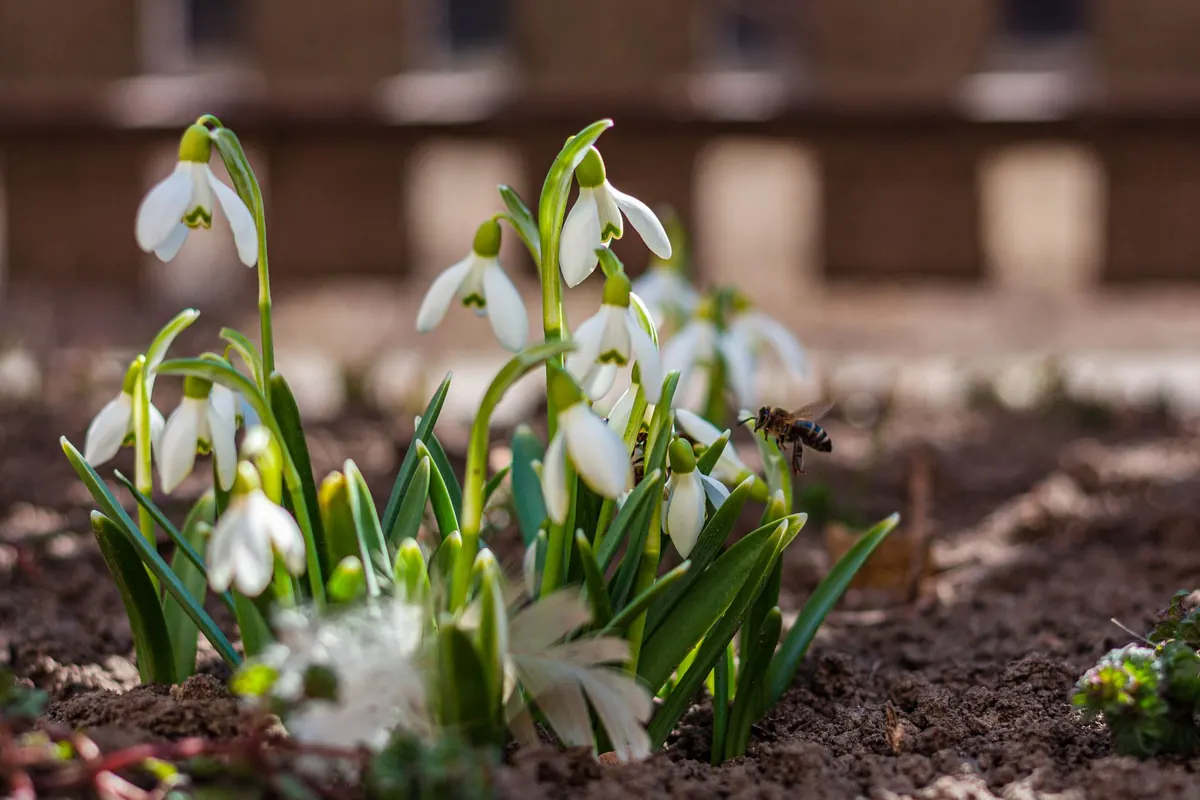
- Late winter and early spring: snowdrop, crocus, hellebore, mahonia, winter honeysuckle, pulmonaria
- Spring and early summer: wallflower, rosemary, apple and plum blossom, chives, comfrey, hardy geranium
- The June gap: catmint (Nepeta), borage, phacelia, white clover in a patch of lawn you stop mowing
- Late summer: hylotelephium (sedum), aster, Echinacea, helenium, oregano and marjoram, single dahlias
- Autumn and early winter: ivy, which is one of the best late sources there is, plus asters and any late salvias
Cut lavender back after its first flush and many varieties will give you a second, smaller flowering in September. Leave the oregano to flower instead of trimming it for the kitchen; you can still harvest after the bees have finished with it.
Don't forget trees and shrubs. A single mature willow or lime tree can provide more nectar than an entire border of perennials. If you have space, plant a native tree or large shrub: hawthorn, blackthorn, rowan, or willow. These are especially valuable in early spring when little else is out.
Reaching for the spray first
Insecticides and weedkillers do not know which side they are on. An aphid spray on the roses takes out hoverfly larvae and ladybirds along with the aphids. A weedkiller used on dandelions in April removes one of the most valuable early nectar sources in the country, and it is usually the first thing bees find.
Where you can, work with barriers, hand-picking and a bit of tolerance. A few holes in a leaf are not a crisis.
- Patrol at dusk with a torch for slugs, and protect young plants with cloches until they toughen up
- Encourage predators with a log pile, long grass and a small pond, and accept some aphids
- Squash aphids by hand or wash them off with a strong jet of water
- If you must use something, read the label, apply it in the evening when pollinators are not flying, and never onto open flowers
- Ask where your plants came from. Some nursery stock is treated with systemic insecticides that stay in the plant, so buy from sellers who say they do not use them, or grow from seed
Always follow the product label. If you are unsure whether a chemical is legal or safe to use, check with the manufacturer or a qualified adviser rather than guessing.
Systemic insecticides are a particular concern. They are taken up by the plant and can be present in pollen and nectar for months. Some nurseries use them routinely on ornamental plants. If you want to be certain, grow from seed or buy from organic suppliers. Ask questions before you buy.
The tidy-up instinct
Autumn is when a lot of good work is undone: every stem cut to the ground, every leaf raked out of the border, every bare patch dug over and mulched. That clears away exactly what solitary bees and other insects need.
Most of our solitary bees nest in bare, sunny soil or in hollow plant stems, while bumble
Raised Bed vs Container Gardening: Which Is Better for UK Patios?
Raised beds and containers both work on a UK patio, but they differ in cost, watering, yield and space....
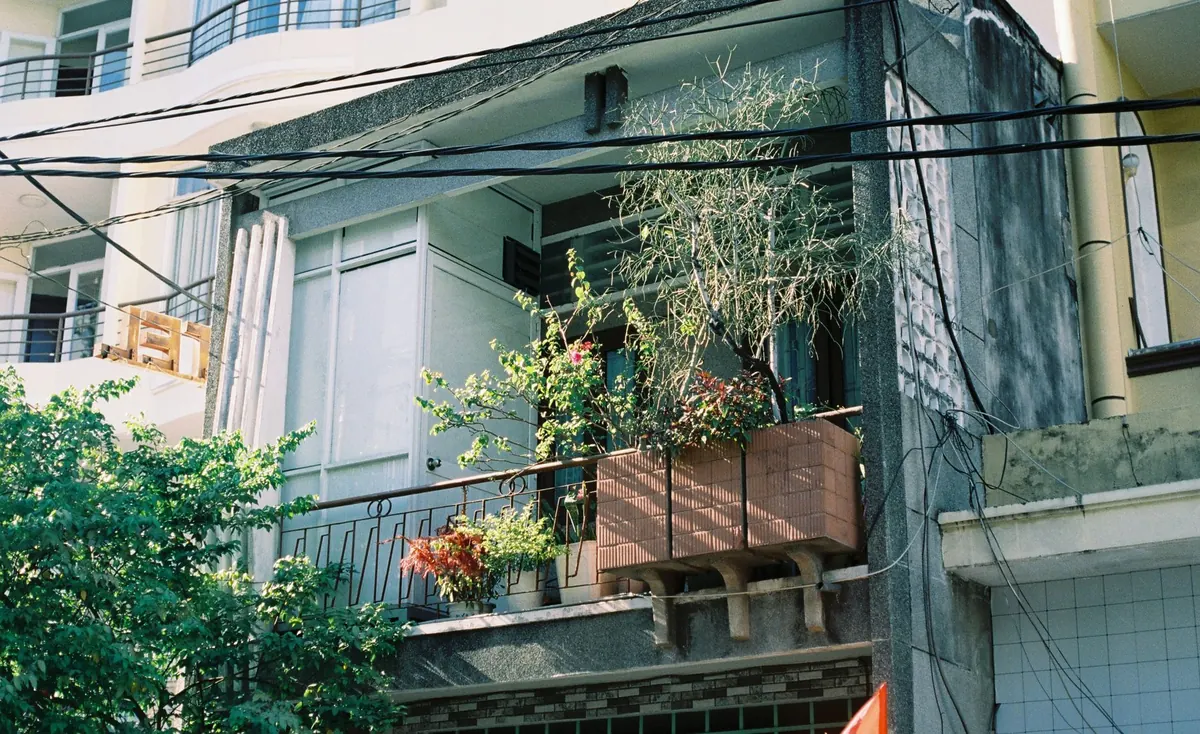
Plants for a Pollinator-Friendly Balcony in Shade: A Comparison
A practical comparison of shade-tolerant pollinator plants for UK balconies, covering pot sizes, watering...
About Us